

Mastering Consistency: Essential Golf Swing Drills for Repeatable Results
Tired of the rollercoaster ride that is your golf game? One round you're striping it down the fairway, the next you're in the woods searching for your ball like it's an Easter egg hunt gone wrong. The culprit? Inconsistency in your golf swing. But fear not, consistency isn't some mythical talent reserved for the pros; it can be cultivated through targeted drills and a focused approach. This comprehensive guide will equip you with the drills and knowledge to build a reliable and repeatable golf swing, paving the way for lower scores and a more enjoyable experience on the course.
Understanding the Root of Inconsistency
Before diving into the drills, it's crucial to understand why inconsistency plagues so many golfers. Often, it boils down to a few key areas:
- Poor Fundamentals: A weak grip, incorrect posture, or improper alignment can set off a chain reaction of compensations throughout the swing.
- Lack of a Consistent Pre-Shot Routine: Without a defined routine, you're essentially winging it on every shot, leading to variations in setup and swing mechanics.
- Overthinking the Swing: Trying to consciously control every aspect of the swing often results in tension and unnatural movements, disrupting the fluidity and rhythm.
- Inadequate Practice: Simply hitting balls without a specific purpose or plan won't translate to consistency on the course. Focused practice with targeted drills is essential.
By addressing these underlying issues and incorporating the following drills into your practice regime, you can significantly improve your swing consistency.
Grip and Setup Drills: Building a Solid Foundation
The grip and setup are the cornerstones of a consistent golf swing. Any flaws in these areas will inevitably lead to compensations and inconsistencies down the line.
The Grip Check Drill
This drill helps ensure you have a neutral and consistent grip.
- Alignment Sticks: Place an alignment stick on the ground, pointing towards your target.
- Take Your Grip: Without a ball, take your normal grip. Pay attention to the position of your hands. For a right-handed golfer, the V formed by your thumb and forefinger on your left hand should point towards your right shoulder. The V on your right hand should point towards your right ear.
- Check and Adjust: If the V's are pointing in different directions, adjust your grip accordingly.
- Repeat: Repeat this drill several times before each practice session to reinforce the correct grip.
The Alignment Stick Drill
This drill focuses on proper alignment, ensuring you're aiming correctly at your target.
- Two Alignment Sticks: Place one alignment stick on the ground, pointing towards your target. Place another alignment stick parallel to the first, about a foot away.
- Setup: Stand with your feet aligned with the second alignment stick and your body parallel to the target line.
- Check Your Alignment: Ensure your shoulders, hips, and knees are all aligned parallel to the target line.
- Swing: Make a few practice swings, focusing on maintaining your alignment throughout the motion.
The Posture Perfect Drill
Good posture is crucial for maintaining balance and allowing for a free and unrestricted swing.
- Stand Tall: Stand tall with your feet shoulder-width apart.
- Slight Knee Bend: Bend your knees slightly, maintaining a straight back.
- Hinge from the Hips: Hinge forward from your hips, keeping your back straight and your arms hanging naturally.
- Check Your Spine Angle: Ensure your spine is at a comfortable angle, allowing you to reach the ball without bending over too much.
Swing Plane Drills: Staying on Track
Maintaining a consistent swing plane is essential for delivering the clubhead squarely to the ball.
The Towel Drill
This drill helps you develop a more compact and connected swing, preventing you from swinging too far outside the target line.
- Towel Placement: Place a rolled-up towel under your right armpit (for right-handed golfers).
- Swing: Make slow, controlled swings, focusing on keeping the towel in place throughout the motion. If the towel falls out, it indicates that your arms are separating from your body, leading to an inconsistent swing plane.
The Alignment Stick Swing Plane Drill
This drill provides a visual guide for maintaining the correct swing plane.
- Stick Placement: Insert an alignment stick into the ground at an angle that matches your desired swing plane at address. This angle will vary depending on your club and setup.
- Swing: Make slow swings, focusing on brushing the alignment stick with your club shaft on the backswing and downswing.
- Feel the Plane: This drill helps you feel the correct swing plane and develop muscle memory.
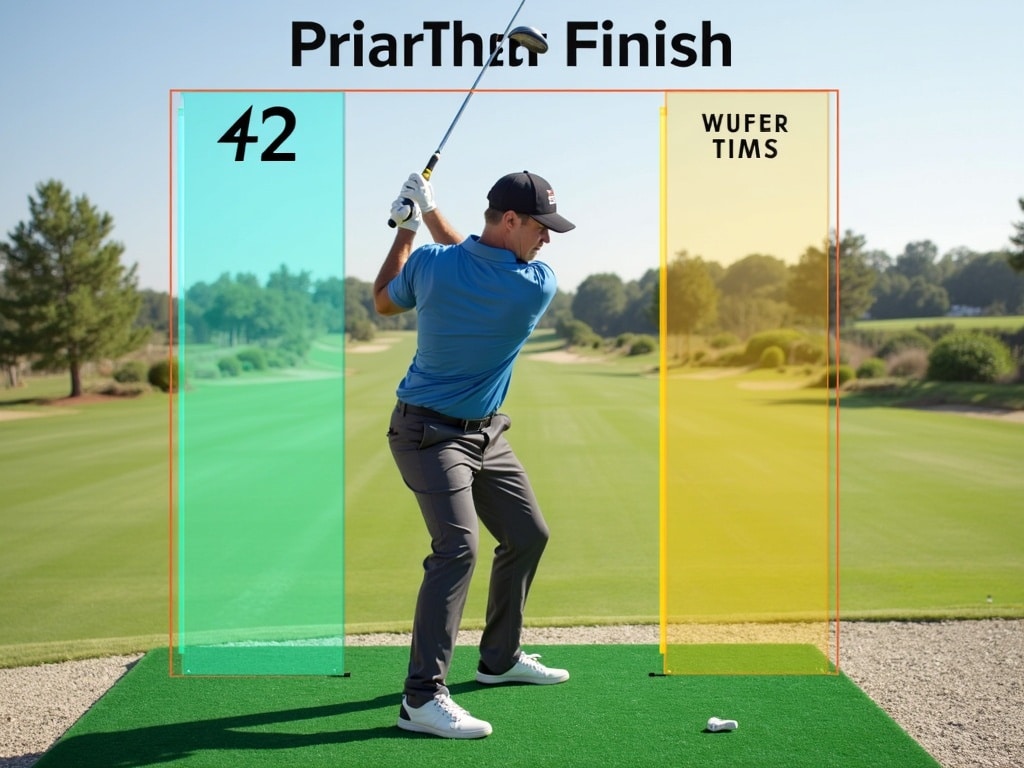
Tempo and Rhythm Drills: Finding Your Flow
A smooth and rhythmic swing is key to consistency. Avoid rushing or trying to swing too hard, as this will often lead to off-balance and erratic shots.
The ‘One-Two-Three' Drill
This drill helps you develop a consistent tempo throughout your swing.
- Set Up: Get into your normal address position.
- Backswing Count: As you take the club back, count one.
- Transition Count: As you transition from the backswing to the downswing, count two.
- Downswing Count: As you swing through the ball, count three.
- Focus on Rhythm: Focus on maintaining a smooth and even rhythm throughout the entire count.
The Slow Motion Drill
This drill allows you to focus on the individual components of your swing and identify any areas where you might be rushing or losing balance.
- Slow Motion Swing: Make a full swing in slow motion, paying close attention to your grip, posture, swing plane, and tempo.
- Identify Flaws: Identify any areas where you are struggling to maintain balance or control.
- Repeat: Repeat the drill several times, focusing on correcting the identified flaws.
Impact Drills: Delivering the Clubhead Squarely
Ultimately, consistency boils down to delivering the clubhead squarely to the ball at impact. These drills help you achieve that crucial connection.
The Impact Bag Drill
This drill helps you feel the correct impact position and develop a more powerful and consistent strike.
- Impact Bag Setup: Place an impact bag in front of you.
- Simulate Impact: Make a swing and stop at the point of impact, hitting the bag with the clubface square.
- Feel the Pressure: Focus on feeling the pressure in your lead leg and maintaining a stable base.
- Repeat: Repeat this drill several times, gradually increasing your swing speed.
### The ‘Hold the Finish' Drill
This drill encourages a complete follow-through and helps maintain balance throughout the swing.
- Full Swing: Make a full swing, focusing on maintaining your balance and swinging through the ball.
- Hold the Finish: Hold your finish position for a few seconds, ensuring that your weight is fully transferred to your lead leg and your chest is facing the target.
- Check Your Balance: If you are unable to hold your finish position without losing balance, it indicates that you are not swinging with proper balance and control.
Practice Strategies for Maximizing Consistency
Drills are only effective if incorporated into a structured and purposeful practice routine. Here are some tips for maximizing your practice sessions:
- Warm-Up Properly: Before starting your practice, warm up your muscles with some light stretches and swings. This will help prevent injuries and improve your swing mechanics.
- Focus on One Drill at a Time: Avoid trying to work on too many things at once. Focus on one or two drills per practice session.
- Use a Mirror or Video: Use a mirror or video camera to monitor your swing and identify any areas where you need to make adjustments.
- Practice with a Purpose: Don't just hit balls aimlessly. Have a specific goal in mind for each practice session.
- Track Your Progress: Keep track of your progress by recording your scores and analyzing your swing data. This will help you stay motivated and identify areas where you need to focus your efforts.
- Take Breaks: Avoid practicing for too long without taking breaks. This will help prevent fatigue and maintain your focus.
Beyond the Range: Building Consistency on the Course
Consistency isn't just about what you do on the driving range; it's also about how you approach the game on the course.
- Develop a Pre-Shot Routine: A consistent pre-shot routine helps you get into the right mindset and prepare for each shot. This routine should include visualizing the shot, selecting the right club, and aligning yourself properly to the target.
- Manage Your Emotions: Golf can be a frustrating game, but it's important to manage your emotions and stay calm under pressure. Avoid getting angry or discouraged after a bad shot.
- Play Smart: Don't try to be a hero on every shot. Play smart and take the safe option when necessary. [externalLink insert]
- Learn from Your Mistakes: Analyze your rounds and identify any areas where you can improve. Don't be afraid to ask for help from a qualified golf instructor.
The Path to Consistent Golf Awaits
Building a consistent golf swing takes time, patience, and dedication. By incorporating these drills into your practice routine and following the strategies outlined above, you can groove a reliable and repeatable swing that will lead to lower scores and a more enjoyable experience on the course. Remember to focus on the fundamentals, practice with a purpose, and stay patient. The journey to consistency may be challenging, but the rewards are well worth the effort. Now get out there and start swinging!