

Blade vs. Mallet Putter: Which is Better for Your Golf Game?
The quest for lower scores in golf is a never-ending journey for most players. While booming drives and precise iron shots are certainly crucial, it's often the performance on the greens that truly separates the good from the great. Putting, they say, is half the game, and choosing the right weapon can make all the difference. Enter the age-old debate: blade vs. mallet putter. Which one reigns supreme? Which one should you trust to guide yourTitle: ball into the hole when the pressure is on?
The truth is, there's no one-size-fits-all answer. The better putter depends entirely on your individual stroke, preferences, and even your visual perception. This comprehensive guide will delve into the characteristics of each type, explore their pros and cons, and help you determine which putter is the perfect fit for your game.
Understanding the Blade Putter
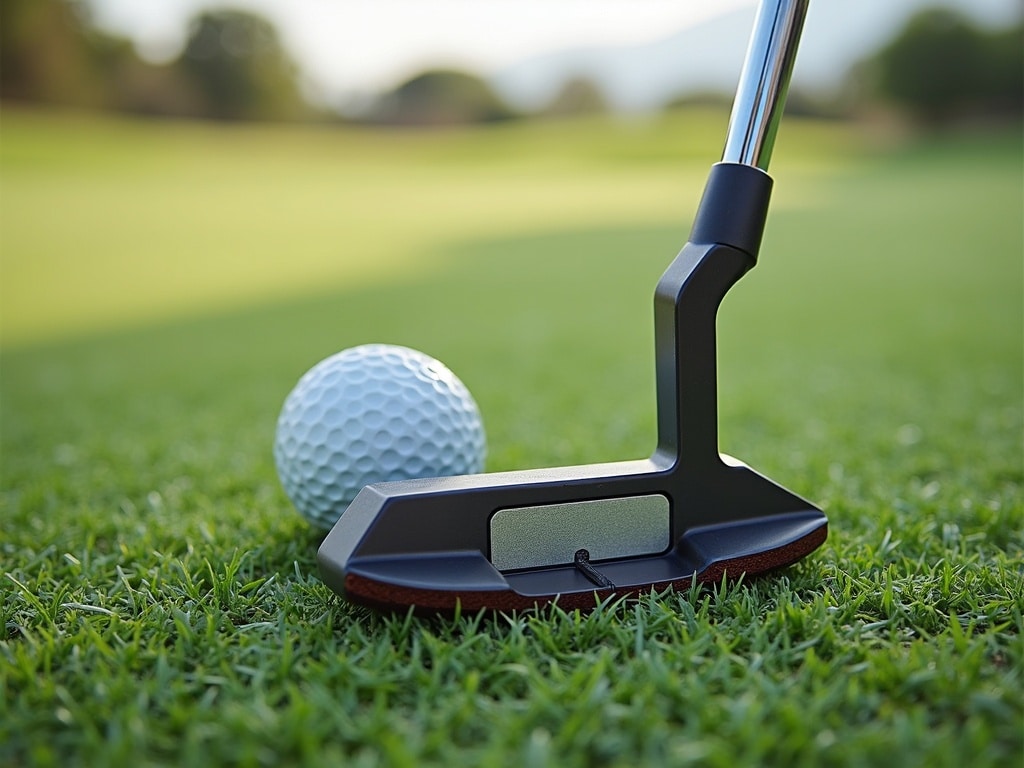
The blade putter is a classic, recognizable by its slim, rectangular head. Think of iconic putters used by legends of the game – many of those were blades. This design has been around for decades, revered for its simple elegance and feel.
Key Characteristics of Blade Putters:
- Head Shape: Slim, rectangular, often with a simple alignment aid.
- Weight Distribution: Typically heel-toe weighted, meaning more weight is concentrated in the heel and toe areas of the putter head.
- Feel: Generally provides a firmer feel at impact.
- Toe Hang: Most blade putters have a significant amount of toe hang, which refers to how much the toe of the putter hangs down when balanced on a fulcrum.
Pros of Using a Blade Putter:
- Feel and Feedback: Blade putters offer exceptional feel, allowing golfers to sense the putter head throughout the stroke and receive immediate feedback on impact. This heightened feel can translate to better distance control.
- Suited for Arcing Strokes: The toe hang of a blade putter naturally complements an arcing putting stroke, where the putter head moves slightly inside the target line on the backswing and then back inside on the follow-through.
- Classic Aesthetics: For many golfers, the traditional look of a blade putter is simply more appealing. It exudes a sense of timelessness and craftsmanship.
Cons of Using a Blade Putter:
- Less Forgiving: Blade putters are less forgiving on off-center hits compared to mallet putters. Mishits can result in significant distance and directional loss.
- Requires More Skill: Mastering a blade putter often requires more practice and a consistent stroke. The feel-based nature can be challenging for beginners.
- Less Stable: Due to their smaller head size and weight distribution, blade putters can be less stable through impact, particularly on longer putts.
Exploring the Mallet Putter
Mallet putters have exploded in popularity in recent years, thanks to their increased forgiveness and stability. They come in a wide variety of shapes and sizes, often featuring more elaborate alignment aids and higher MOI (Moment of Inertia).
Key Characteristics of Mallet Putters:
- Head Shape: Various shapes, including half-moons, squares, and even more unconventional designs.
- Weight Distribution: Weight is distributed more evenly throughout the putter head, often with a higher concentration of weight towards the perimeter.
- Feel: Generally provides a softer, more muted feel at impact.
- Toe Hang: Mallet putters can have varying degrees of toe hang, ranging from face-balanced (where the face points straight up when balanced) to slight toe hang.
Pros of Using a Mallet Putter:
- Increased Forgiveness: Mallet putters are significantly more forgiving on off-center hits, helping to maintain distance and direction even when you don't strike the ball perfectly.
- Greater Stability: The higher MOI of mallet putters makes them more stable through impact, reducing the amount of twisting on off-center hits.
- Easier Alignment: Mallet putters often feature prominent alignment aids, such as lines, dots, or contrasting colors, which can help golfers align the putter face correctly at address.
- Suited for Straight-Back, Straight-Through Strokes: A face-balanced mallet putter is ideal for golfers with a straight-back, straight-through putting stroke.
Cons of Using a Mallet Putter:
- Less Feel: The softer feel of mallet putters can make it more difficult to judge distance, especially on longer putts.
- Can Feel Bulky: Some golfers find the larger head size of mallet putters to be visually distracting or cumbersome.
- Less Traditional Appeal: For golfers who prefer the classic look and feel of a blade putter, mallet putters may seem less appealing.
Blade vs. Mallet: A Detailed Comparison
Let's break down the key differences between blade and mallet putters across several critical areas:
Forgiveness
Mallet: Wins hands down. The larger head size and perimeter weighting make mallet putters far more forgiving on mishits. This is a huge advantage for golfers of all skill levels, especially those who struggle with consistent contact.
Blade: Offers minimal forgiveness. Off-center strikes will be punished with noticeable distance and directional loss.
Feel
Blade: Excels in feel and feedback. Golfers can develop a keen sense of their stroke and make adjustments based on the information they receive at impact. This is invaluable for distance control and developing a consistent stroke pattern.
Mallet: Provides a more muted, dampened feel. While this can be beneficial for some, it can also make it harder to judge distance, especially on longer putts.
Alignment
Mallet: Generally easier to align due to the presence of more prominent alignment aids. These visual cues help golfers set up square to the target line.
Blade: Often features a simple alignment line, requiring golfers to rely more on their natural alignment skills.
Stroke Type
Blade: Best suited for golfers with an arcing putting stroke, where the putter head moves slightly inside the target line on the backswing and then back inside on the follow-through. The toe hang of a blade putter complements this type of stroke.
Mallet: A face-balanced mallet putter is ideal for golfers with a straight-back, straight-through stroke. However, mallet putters with slight toe hang can also work well for golfers with a slight arc in their stroke.
Distance Control
Blade: Relies heavily on feel. Skilled golfers can use the feedback from the putter to fine-tune their distance control.
Mallet: Can be more challenging to control distance due to the softer feel. However, the increased stability can help to maintain consistent distance on off-center hits.
How to Choose the Right Putter for Your Game
Now that you understand the differences between blade and mallet putters, here's a step-by-step guide to help you choose the right one for your game:
- Analyze Your Putting Stroke: Determine whether you have an arcing stroke or a straight-back, straight-through stroke. A simple way to do this is to set up to a ball, close your eyes, and make a few practice strokes. Pay attention to the path of the putter head. Does it stay on a relatively straight line, or does it move inside the target line?
- Consider Your Skill Level: Beginners and high-handicap golfers often benefit from the increased forgiveness and stability of a mallet putter. More experienced golfers may prefer the feel and feedback of a blade putter.
- Experiment with Different Models: Visit a local golf shop and try out a variety of blade and mallet putters. Pay attention to how each putter feels in your hands and how well you can align it.
- Focus on Feel and Comfort: Choose a putter that feels comfortable and natural in your hands. Don't be swayed by brand names or marketing hype.
- Consider the Length and Lie Angle: The length and lie angle of your putter should be properly fitted to your height and posture. Consult a qualified club fitter for assistance.
- Test on the Course: Once you've narrowed down your choices, take the putters out on the course and test them in real-world conditions. Pay attention to how well you can control distance and direction on different types of putts.
Beyond Blade vs. Mallet: Other Factors to Consider
While the blade vs. mallet debate is a crucial starting point, other factors can influence your putting performance:
- Putter Length: A putter that's too long or too short can negatively impact your posture and stroke.
- Lie Angle: The lie angle of your putter affects how the sole sits on the ground. An incorrect lie angle can cause you to pull or push your putts.
- Grip: The grip is your primary connection to the putter. Choose a grip that feels comfortable and provides adequate traction.
- Putter Face Technology: Some putters incorporate special face inserts or milling patterns designed to improve roll and reduce skidding.
- Weight: Experiment with different putter weights to find what feels most stable and allows you to control your stroke.
Remember, finding the right putter is a personal journey. What works for one golfer may not work for another. Take the time to experiment and find the putter that feels best in your hands and helps you roll the ball consistently towards the hole. For more information about putter technology, [externalLink insert] is an excellent resource.
The Final Verdict: It's All About What Works For You
Ultimately, the better putter is the one that helps you sink more putts. There's no magic bullet, and the ideal choice depends entirely on your individual stroke, preferences, and playing style. By understanding the characteristics of blade and mallet putters, analyzing your putting stroke, and experimenting with different models, you can find the perfect flat stick to lower your scores and master the greens.